

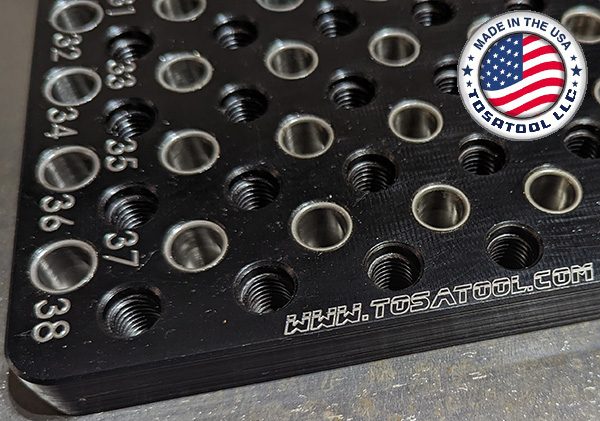
Modular fixturing on a CNC mill offers several compelling advantages:
- Flexibility and Adaptability:
* Customization: Modular systems allow you to quickly adapt the setup for different part geometries or sizes without needing to fabricate new fixtures from scratch. This is particularly useful in job shops or when prototyping where part designs change frequently.
*Quick Changeovers: Components like towers, clamps, and bases can be rearranged or interchanged swiftly, reducing downtime between different machining operations.
2. Cost Efficiency:
*Reduced Tooling Costs: Instead of designing and manufacturing custom fixtures for each job, you can use existing modular components in various combinations. This significantly cuts down on the cost of tooling, especially for small to medium production runs.
*Scalability: Invest in a basic set that can grow with your needs, allowing you to purchase additional components as required without the need for entirely new systems.
3. Increased Precision and Repeatability:
*Consistent Clamping: Modular fixtures often use precision components that ensure repeatability in clamping force and position, which is crucial for maintaining part accuracy across multiple setups.
*Alignment: Many systems come with integrated alignment features like grid patterns or locating pins, aiding in precise part placement.
4. Space and Storage Efficiency:
*Compact Storage: When not in use, modular components can be disassembled and stored compactly. This is beneficial in shops where space is at a premium.
*Portability: Lightweight and modular setups can be easily transported or moved between machines if required.
5. Improved Workflow and Productivity:
*Setup Time Reduction: Faster setup times translate directly into higher machine utilization rates and increased throughput.
*Error Reduction: By using standardized components, the likelihood of setup errors decreases, which can lead to fewer scrapped parts and less rework.
6. Versatility for Different Operations:
*Multi-Operation Capability: You can configure modular fixtures for milling, drilling, boring, and even some grinding operations on the same setup, minimizing the need to transfer parts between machines.
7. Maintenance and Upgrades:
*Ease of Maintenance: Individual components can be replaced or upgraded if they wear out, rather than replacing an entire fixture.
*Future Proofing: As technology evolves, modular systems can often be expanded or modified to incorporate new tooling or methods without significant investment.
8. Educational and Training Value:
*Learning Tool: For educational environments or training new machinists, modular fixturing provides a practical way to teach setup strategies and machining principles.
When considering modular fixturing, it’s important to balance the initial investment against the long-term benefits. For high-volume production or highly specialized parts, custom fixtures might still be more cost-effective, but for a broad range of applications, modular systems shine.
Leave A Comment